Interpretation
Home / Our Services
Legal Interpretation in Nepal
Legal interpretation is one of the most specialised areas of interpretation because the consequences of miscommunication can be significant. Unlike conference interpretation, where the objective is to facilitate multilingual communication, legal interpretation requires every statement to be interpreted accurately, completely, and impartially. Interpreters cannot summarise, omit, or modify what is being said, as every word may carry legal significance.
Legal interpretation is commonly required during court proceedings, depositions, witness interviews, forensic interviews, immigration interviews, attorney-client meetings, arbitration proceedings, and law enforcement investigations. In many of these settings, the interpretation may become part of the official legal record, making accuracy and neutrality essential.
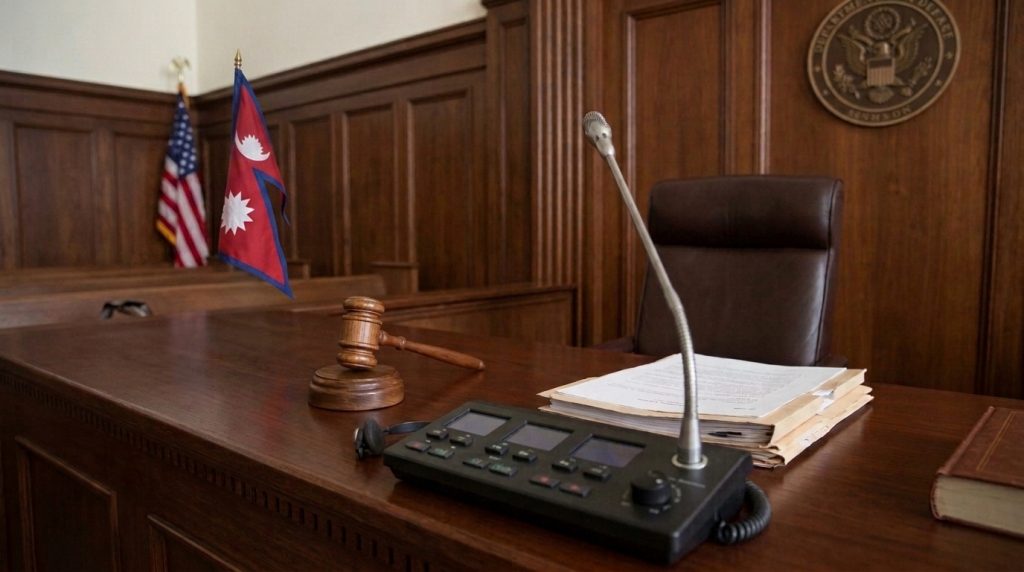
Our Experience in Legal Interpretation
Since establishing our company in 2012, we have supported a wide range of legal interpretation assignments involving Nepali, English, Tibetan and several other languages. Our interpreters have facilitated communication in legal proceedings, immigration interviews, depositions, forensic interviews, and international law enforcement training programmes where precise interpretation was critical.
Unlike general interpretation assignments, legal interpretation requires interpreters to understand legal procedures, specialised terminology, and courtroom protocols while maintaining complete impartiality. They must preserve not only the meaning of the speaker’s words but also the tone, intent, and level of certainty expressed during testimony or questioning.
Our experience extends beyond traditional court interpretation. We have provided interpretation for immigration interviews conducted by international authorities, supported legal workshops and judicial exchanges involving judges and legal professionals from different jurisdictions, and interpreted during technical training programmes organised for law enforcement personnel. These assignments demanded confidentiality, professionalism, and strict adherence to ethical standards.
Commitment to Accuracy, Neutrality and Justice
Many legal assignments also involve emotionally sensitive situations. Victims, witnesses, investigators, lawyers, and judicial officers rely on interpreters to bridge communication without influencing the outcome of the proceedings. For this reason, legal interpreters must remain neutral while ensuring that every participant is able to communicate effectively in their own language.
At our company, legal interpretation is not simply about translating words. It is about preserving the integrity of legal communication and ensuring that language never becomes a barrier to justice.
EXPLORE OUR SERVICES
Legal, Immigration & Court Interpretation Services in Nepal
We provide professional legal interpretation services in Nepal for immigration interviews, sworn depositions, forensic interviews, law enforcement training programs, and cross-border legal proceedings involving international jurisdictions. Our interpreters work in high-stakes environments where accuracy, neutrality, and verbatim interpretation directly impact legal, administrative, and immigration outcomes.
Since 2012, we have supported complex multilingual legal assignments involving embassies, international agencies, law enforcement institutions, immigration authorities, and multinational legal and insurance cases.
Legal, Immigration & Court Interpretation Services in Nepal
We provide professional legal interpretation services in Nepal for immigration interviews, sworn depositions, forensic...
Immigration Interview Interpretation (IRCC & Embassy Cases)
Our interpreters have provided verbatim interpretation for immigration and refugee interviews...
Depositions, Sworn Testimony & Cross-Border Legal Cases
Our interpreters have supported depositions and sworn legal testimony under the United States legal system...
Defense Base Act (DBA) Legal Interpretation
Our team has extensive experience supporting legal proceedings under the Defense Base Act (DBA), a U.S. federal law covering overseas civilian..
Law Enforcement & Criminal Justice Interpretation
Our interpreters have supported law enforcement and criminal justice training programs conducted under international cooperation...
Forensic Interviews & Witness Statement Interpretation
We provide interpretation for sensitive investigative settings including witness interviews, victim statements..
High-Stakes Legal Interpretation Experience
Our interpreters have worked in multilingual legal environments involving immigration and embassy interview and many more...
LEARN MORE
Case Study Examples

International Commission of Jurists (ICJ) – Remote Simultaneous Interpretation for Legal Workshops
On 24 and 25 September 2021, our team provided Remote Simultaneous Interpretation for a virtual legal workshop organised by the International Commission of Jurists (ICJ)…
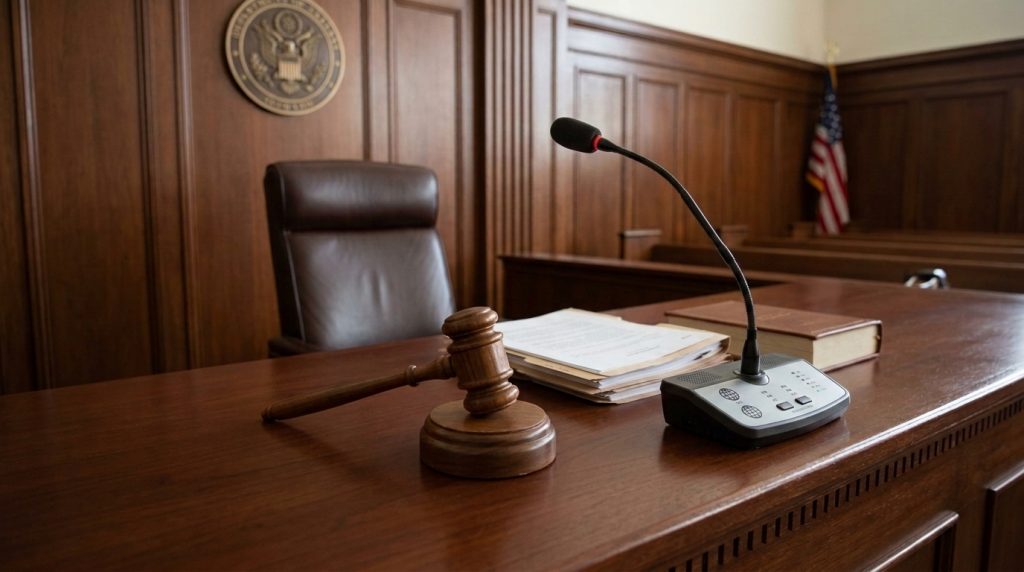
Legal Interpretation for Depositions, Forensic Interviews, and Defense Base Act (DBA) Claims
Our network of Nepali interpreters provides specialized legal interpretation services for depositions, forensic interviews, witness interviews, and expert interviews conducted..